



-
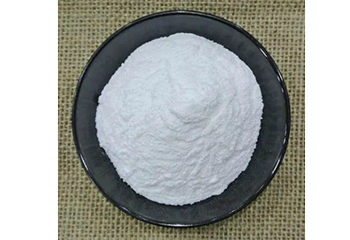
Sodium Metabisulfite
Sodium metabisulfite is a chemical compound commonly used in various applications:Food and beverage industry: It is used as a preservative and antioxidant to extend the shelf life of food and beverages. It can prevent the growth of bacteria and fungi, and it is commonly used in fruit juices, wine, and dried fruits.
-
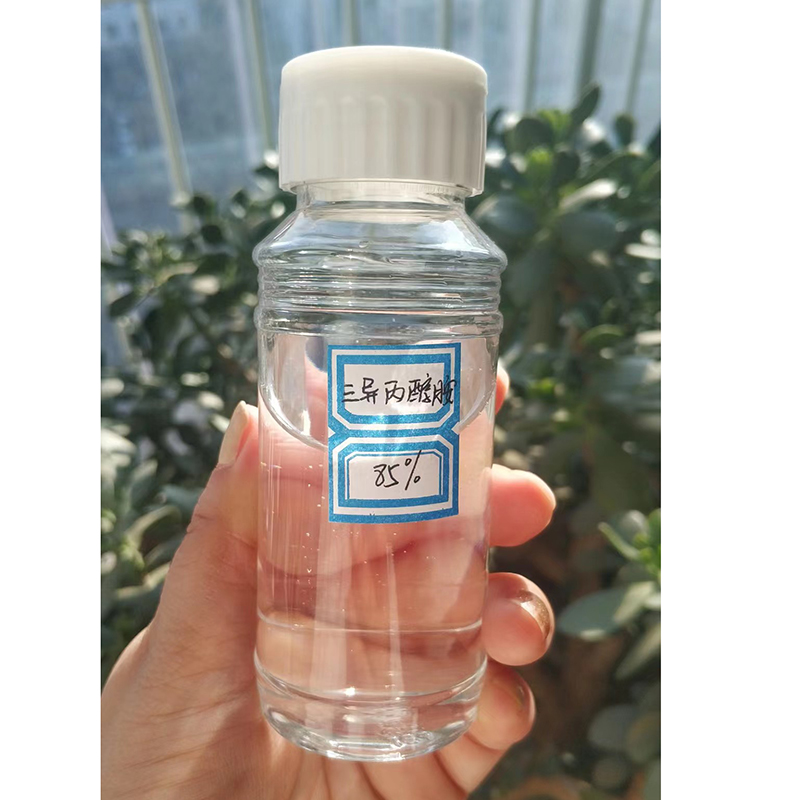
Triisopropanolamine For Concrete Admixtureconstruction Chemical
Triisopropanolamine (TIPA) is alkanol amine substance, is a kind of alcohol amine compound with hydroxylamine and alcohol. For its molecules contains both amino, and containing hydroxyl, so it has the comprehensive performance of amine and alcohol, has a wide range of industrial applications, is an important basic chemical raw material.
-

Diethanolisopropanolamine For Cement Grinding Aid
Diethanolisopropanolamine (DEIPA) mainly be used in the cement grinding aid, used to replace Triethanolamine and Trisopropanolamine, has the extremely good grinding effect.With Diethanolisopropanolamine as the core material made of grinding aid in improving their strength of cement for 3 days at the same time, can improve the strength of 28 days.
-
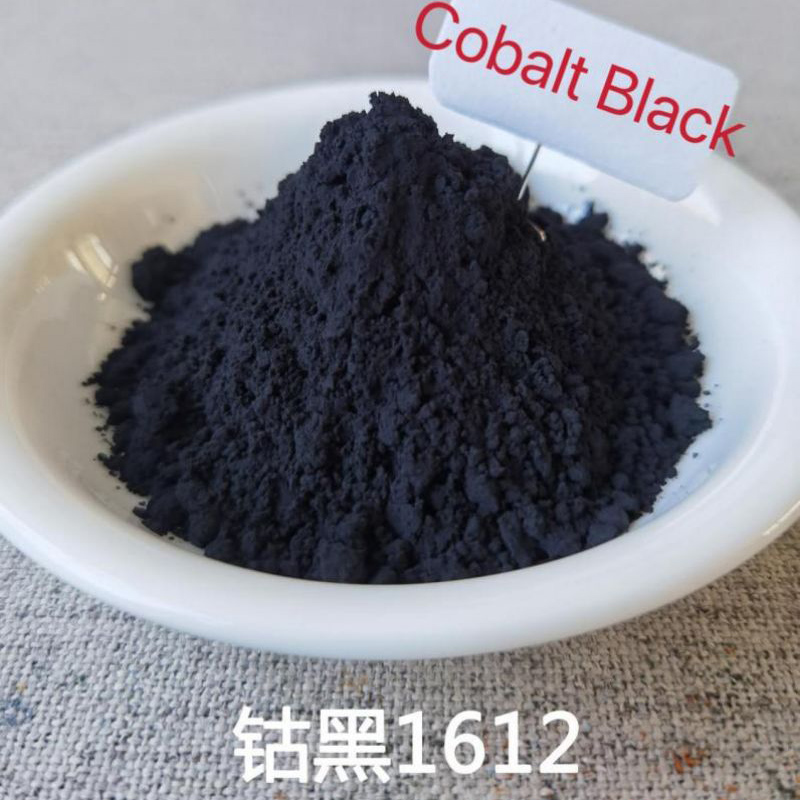
Ceramic Tiles Pigment -Glaze Inorganic Pigment Black Color
Inorganic pigment for ceramic tiles ink, black colors is also one of the main color. We have Cobalt black, Nickel black, Bright black. These pigments are for ceramic tile. It’s belongs to Inorganic pigments. They have both liquid and powder form. Powder form is more stable quality than liquid one.
-
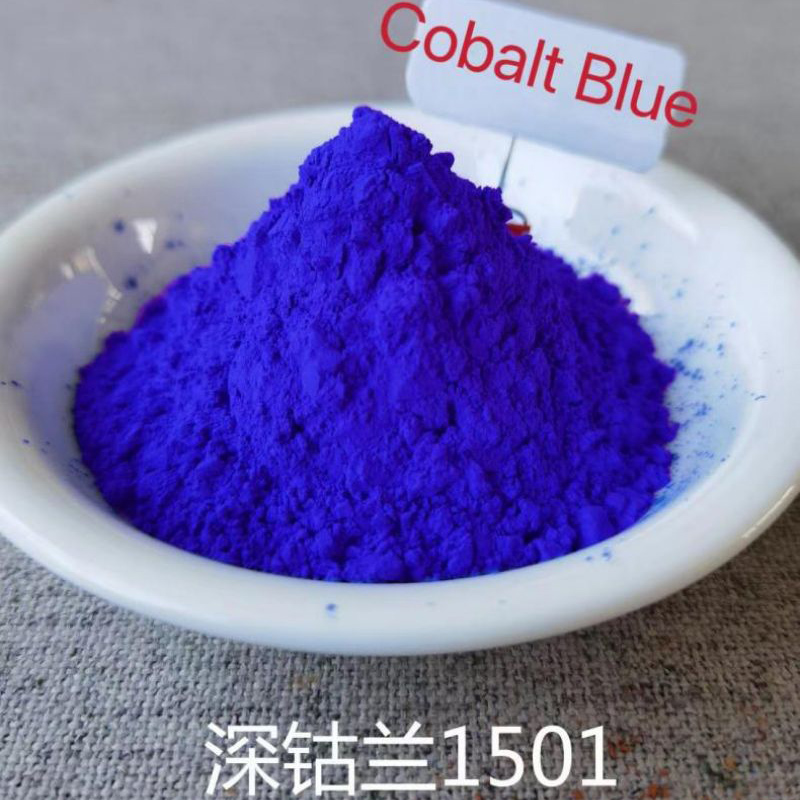
Ceramic Tiles Pigment -Glaze Inorganic Pigment Blue Color
Inorganic pigment for ceramic tiles ink, blue colors is popular. We have Cobalt blue, sea blue, Vanadium zirconium blue, Cobalt blue, Navy blue, Peacock blue,ceramic tile color. These pigments are for ceramic tie. It’s belongs to Inorganic pigments. They have both liquid and powder form. Powder form is more stable quality than liquid one. But some customer prefer to use liquid one. Inorganic pigments have excellent flightiness and chemical stability, making them suitable for various applications like paints, coatings, plastics, ceramics, and cosmetics. Some commonly used inorganic pigments include titanium dioxide, iron oxide, chromium oxide, and ultramarine blue.
-
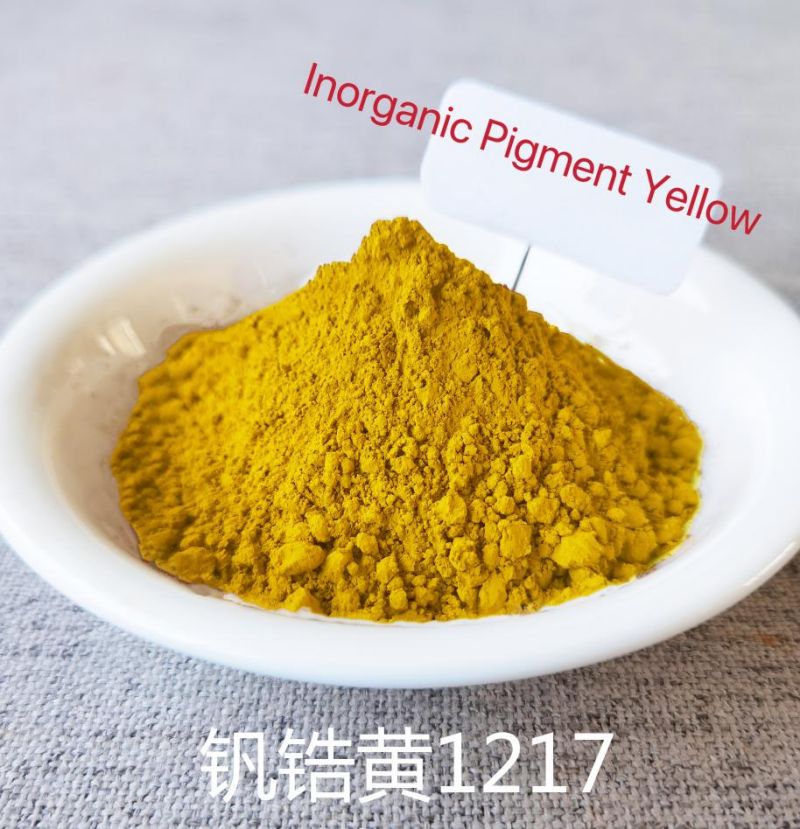
Ceramic Tiles Ink Zirconium Yellow
Inorganic pigment for ceramic tiles ink, yellow colors is popular. We call it inclusion yellow, Vanadium-zirconium, Zirconium yellow. These pigments are commonly used for producing earthy tones, such as red, yellow, and brown,ceramic tile color.
Inorganic pigments are pigments that are derived from minerals and do not contain any carbon atoms. They are typically produced by processes such as grinding, calcination, or precipitation. Inorganic pigments have excellent lightfastness and chemical stability, making them suitable for various applications like paints, coatings, plastics, ceramics, and cosmetics. Some commonly used inorganic pigments include titanium dioxide, iron oxide, chromium oxide, and ultramarine blue.
-
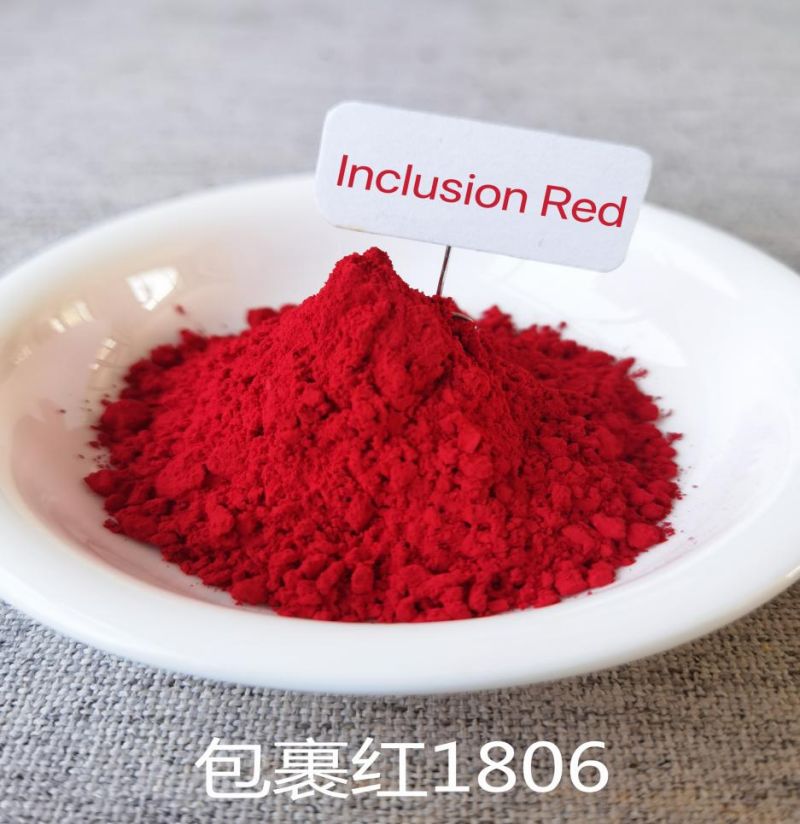
Ceramic Tiles Ink -Glaze Pigment Conclusion Red Color
There are various pigments that can be used for ceramic tiles, depending on the desired color and effect. Inclusion red, ceramic red, sometimes called Zirconium red, purplish red, agate red, peach red,ceramic tile color.
-
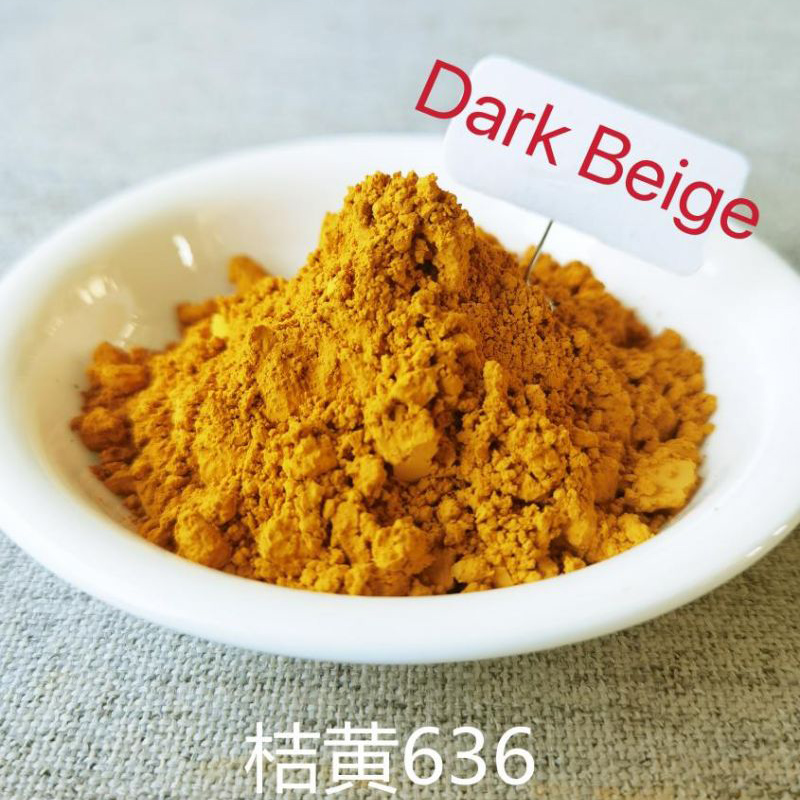
Ceramic Tiles Pigment -Glaze Inorganic Pigment Dark Beige
Inorganic pigment for ceramic tiles ink, dark beige colors is also one of the main color in Iran, Dubai. Other name called yellow brown pigment, Golden brown ceramic ink, beige jet ink. These pigments are for ceramic tile. It’s belongs to Inorganic pigments. They have both liquid and powder form. Powder form is more stable quality than liquid one. But some customer prefer to use liquid one. Inorganic pigments have excellent flightiness and chemical stability, making them suitable for various applications like paints, coatings, plastics, ceramics, and cosmetics.
Black tiles can add a dramatic and sophisticated touch to any space.
-

Optical Brightener Agent ER-II Blue light
Optical Brightener Agent ER-II is a chemical additive used in various industries, including textiles, detergents, and paper manufacturing. It is commonly referred to as a fluorescent whitening agent or fluorescent dye.
-
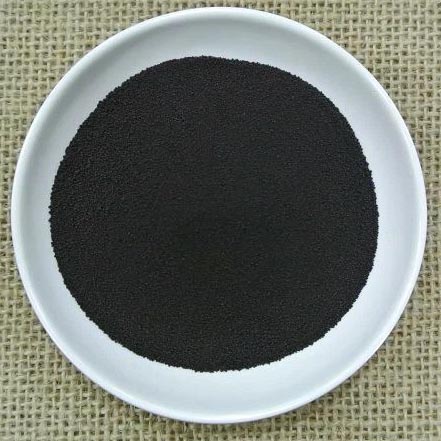
Indigo Blue Granular
Indigo blue is a deep, rich shade of blue that is commonly used as a dye. It is derived from the plant Indigofera tinctoria and has been used for centuries to dye fabric, particularly in the production of denim.Indigo blue has a long history, with evidence of its use dating back to ancient civilizations such as the Indus Valley Civilization and ancient Egypt. It was highly valued for its intense and long-lasting color.In addition to its use in textile dyeing, indigo blue is also used in various other applications:Art and painting: Indigo blue is a popular color in the world of art, both for traditional painting and contemporary artwork.
-

Sodium Sulfide 60 PCT Red Flake
Sodium Sulphide red flakes or Sodium Sulfied red flakes. It’s red flakes basic chemical. It is denim dyeing chemical to match with sulphur black.
-
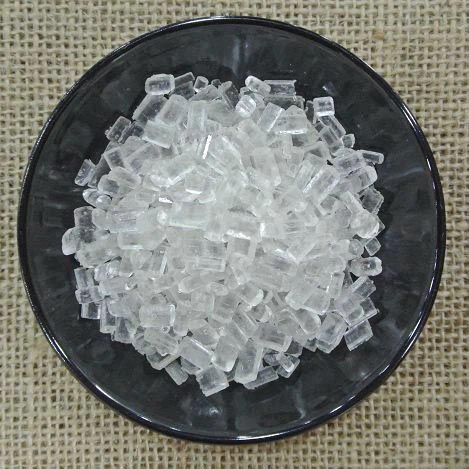
Sodium Thiosulfate Medium Size
Sodium thiosulfate is a compound with the chemical formula Na2S2O3. It is commonly referred to as sodium thiosulfate pentahydrate, as it crystallizes with five molecules of water.Sodium thiosulfate has various uses and applications in different fields:
Photography: In photography, sodium thiosulfate is used as a fixing agent to remove the unexposed silver halide from photographic film and paper. It helps to stabilize the image and prevent further exposure.
Chlorine removal: Sodium thiosulfate is used to remove excess chlorine from water. It reacts with chlorine to form harmless salts, making it useful for neutralizing chlorinated water before discharge into aquatic environments.
